
Sprinkler Backflow & Winterization
A sprinkler backflow assembly that was not drained before a hard freeze is a predictable, avoidable, and surprisingly expensive repair.
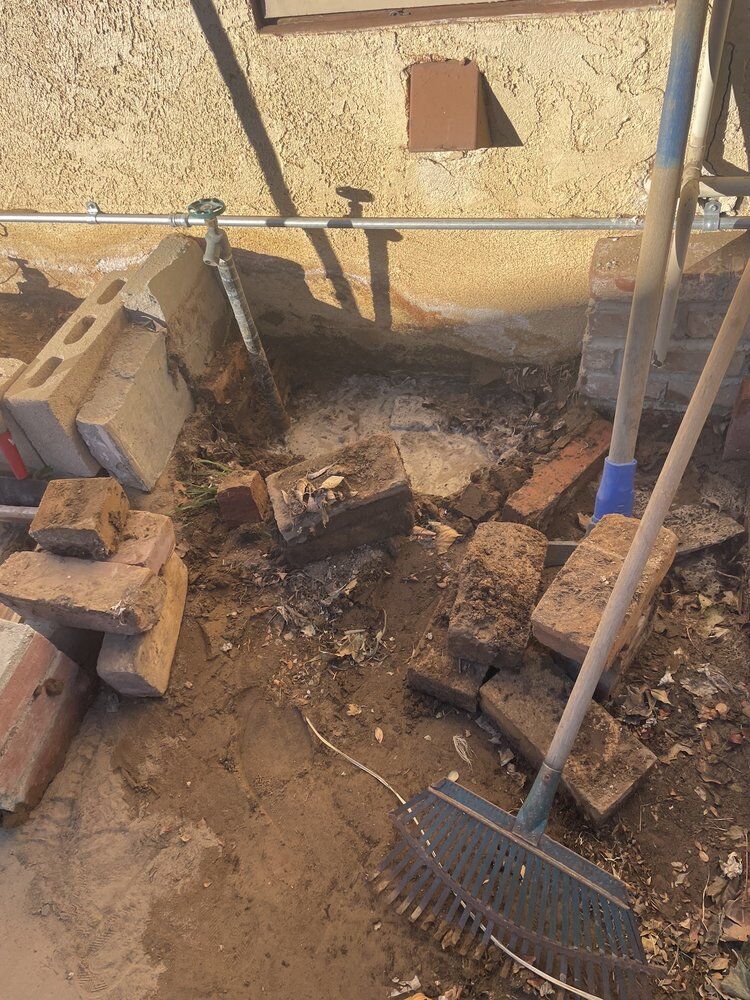
Utah Valley freezes properly, and irrigation systems here are not designed to survive water left in them. Winterization — blowing the lines out with compressed air and draining the backflow assembly — is the routine that prevents cracked assemblies, split laterals, and broken heads. It is inexpensive and the alternative is not.
We handle the seasonal cycle: autumn blow-out and shutdown, spring startup and pressurisation with a walk of the zones to catch anything that did not survive, and backflow assembly testing where your system requires it. Backflow devices on irrigation systems are commonly subject to periodic testing by a certified tester, with results filed — requirements are set by your water provider and local rules, not by us.
One point specific to this area: many Utah County properties are on secondary or pressurised irrigation water rather than culinary water. Secondary water is not treated for drinking, systems are typically charged and shut down on the provider's own seasonal schedule, and that schedule affects when your winterization can actually happen. Tell us which supply you are on when you book, because it changes the timing.
When this is likely your problem
What's included — and what isn't
Included in the quote
- Autumn blow-out of all zones with compressed air
- Draining and shutdown of the backflow assembly
- Spring startup, pressurisation, and a walk of every zone
- Backflow assembly testing by a certified tester and a completed report
- Rebuild of a failed backflow assembly where it is serviceable
- Identification of freeze damage found at startup
Quoted separately
- Sprinkler head, lateral, and valve repairs found during startup, quoted separately
- Controller programming, wiring faults, and rain sensors
- The replacement backflow assembly where a rebuild is not possible
- Water provider filing fees and any late penalties
- Landscaping, trenching, and system redesign
- Work on the provider's side of the connection
What drives the number
We quote after diagnosis, not before. These are the factors that move the number most on this service:
- ZONESNumber of zones, which determines blow-out time.
- ASSEMBLYSize and type of backflow device, and whether testing is included in the visit.
- SUPPLYCulinary or secondary water, which affects timing and sometimes procedure.
- CONDITIONSystems being caught up after a missed season take longer.
- BUNDLINGWinterization, startup, and testing booked together price better than separately.
Utah Valley note
Many Utah County properties run on secondary (pressurised irrigation) water rather than culinary water. It is not treated for drinking, and providers charge and shut down their systems on a seasonal schedule that governs when your winterization and startup can happen. Confirm your provider's dates and your backflow testing obligation with them — those requirements are theirs to set, not ours.
Related services
What the visit involves
Book before the freeze
Timing is the entire point. The week everyone remembers is the week nobody has availability.
Blow out and drain
Every zone cleared with compressed air, assembly drained and shut down properly.
Start up in spring
System pressurised and every zone walked, so freeze damage is found by us and not by a wet lawn.
Test and document
Backflow assembly tested by a certified tester, with the report prepared for filing.
Frequently asked
01When should I winterize?
Before the first hard freeze, which in Utah Valley means booking in autumn rather than reacting to a forecast. The practical problem is that the first genuinely cold night sends everyone to the phone at once, and availability disappears in days. Booking early is worth more than any technique.
02Can I just drain it myself instead of a blow-out?
Draining alone rarely clears everything. Lateral lines hold water in low spots that gravity will not empty, and that trapped water is what splits pipe. Compressed air clears the zones properly. If you own a compressor and know your system, some homeowners do this themselves; the backflow assembly is the part most commonly done wrong.
03Does my sprinkler backflow device need testing?
Commonly yes, and it is typically an annual requirement performed by a certified tester with results filed. The specifics are set by your water provider and local rules, which do change — confirm your obligation with them directly. We test and prepare the report; we are not the authority on your deadline.
04What does spring startup involve?
Reconnecting and pressurising the system slowly, then walking every zone while it runs to look for damage from the winter. Slow pressurisation matters — charging a cold, empty system quickly can itself cause damage. Walking the zones is where freeze damage gets found, and finding it in April is much better than in July.
05What is secondary water?
Untreated irrigation water supplied through a separate pressurised system, common across Utah County. It is not safe for drinking and its seasonal charge and shutdown dates are set by the provider. If you are on secondary water, those dates determine when your system can be started up and winterized, so mention it when you book.
Ready to get this looked at?
Call and describe what's happening. You'll get an honest read before anyone drives out.