
Gas Appliance Hookups & Line Extensions
Adding an appliance is rarely about the last three feet of pipe. It is about whether the rest of the system can carry the load.
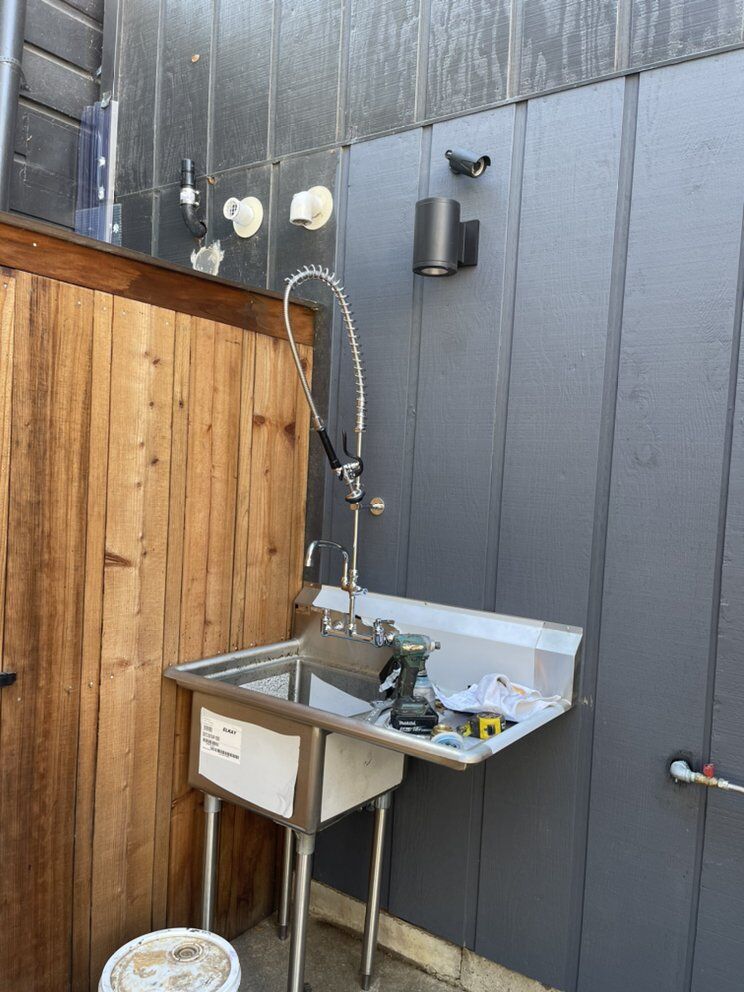
This covers running gas to something new: converting an electric range to gas, adding a dryer connection, plumbing a fire pit or outdoor kitchen, feeding a pool or spa heater, or putting a capped stub on the patio for a grill.
The part that gets skipped is load calculation. Every appliance adds demand, and a system sized years ago for what was originally installed may not carry a new tankless water heater plus a range plus an outdoor heater. Teeing into whatever pipe is nearest is quick, common, and how you end up with appliances that starve, pilots that drop out, and burners that never reach full output. We calculate total demand and run length before sizing anything.
One item worth flagging in Utah: at Orem's elevation of roughly 4,500 feet, some gas appliances require high-altitude conversion or derating per the manufacturer. Whether yours does is in its documentation, and it is a genuinely common oversight on appliances bought online or brought from a lower-elevation state.
When this is likely your problem
What's included — and what isn't
Included in the quote
- Total load calculation across existing and new appliances
- Verification that meter and service capacity support the addition
- Installation of the new run, fittings, and appliance shutoff valve
- Capped stub-outs for future or seasonal appliances
- Pressure test of the completed system
- Permit filing and attendance at inspection where required
Quoted separately
- The appliance itself and its final commissioning where the manufacturer requires a specialist
- High-altitude conversion kits and their installation where the manufacturer requires one
- Utility meter upsizing, which is the gas provider's work and their timeline
- Electrical work associated with the appliance
- Permit and inspection fees
- Drywall, stucco, decking, and finish restoration along the run
What drives the number
We quote after diagnosis, not before. These are the factors that move the number most on this service:
- RUN LENGTHDistance from the source, which together with demand determines pipe size.
- ACCESSCrawl space, finished wall, attic, or buried exterior run.
- CAPACITYWhether existing meter and service support the added load, or the utility is involved.
- APPLIANCESHow many, and their combined demand, not just the one being added.
- PERMITFiling and inspection requirements for the extension.
Utah Valley note
Orem sits at roughly 4,500 feet. Some gas appliances — particularly ranges, some furnaces, and certain tankless water heaters — require high-altitude conversion or derating at this elevation per the manufacturer. Check your appliance documentation, and if you bought it online or brought it from a lower-elevation state, check before installation day rather than after.
Related services
What the visit involves
Calculate the whole load
Everything on the system, not just the new appliance. This is the step that gets skipped.
Confirm supply capacity
If the meter cannot carry it, you hear that before work starts, not after.
Size and route the run
Pipe sized to demand and length, routed for access and future serviceability.
Test and inspect
Pressure test, appliance shutoff fitted, and inspection attended where the permit requires.
Frequently asked
01Can you just tee off the line near where I want the appliance?
Sometimes, but only after the load calculation says the system can carry it. Teeing into the nearest available pipe is the most common cause of the starved-appliance calls we get later. Doing the arithmetic first costs nothing extra and is the difference between an appliance that works properly and one that never quite does.
02Does my new range need a high-altitude conversion?
It might. At Orem's elevation some appliances require a conversion kit or derating per the manufacturer, and it is specified in the documentation. It is a frequent oversight on appliances purchased online or moved here from a lower elevation. Send us the model before installation day and we will check with you.
03Can I run the line myself and have you make the final connection?
No. Gas piping is licensed work in Utah, and we will not connect to or certify a run we did not install and cannot vouch for. If existing piping was permitted and inspected, that is different — we can work with a documented existing installation.
04How long does adding a gas line take?
A straightforward run to an accessible location is often a single visit. Longer runs, buried exterior lines, or anything requiring finished walls to be opened take longer, and permit inspection scheduling adds time. We will give you a realistic sequence after seeing the route rather than a hopeful one.
05Can you leave a capped stub for a future grill?
Yes, and it is a sensible thing to do while a trench or wall is already open. A capped, valved stub costs very little added to work already happening and saves a full return job later. Worth asking about if you are planning a patio in stages.
Ready to get this looked at?
Call and describe what's happening. You'll get an honest read before anyone drives out.